What Does the Land Already Know
About You?
A 12-question journey through the knowledge systems your ancestors carried — and the land still holds.
Discover Your Knowledge Roots"Every plant has a name in a language that grew beside it."
— Opening Principle, Songline ArchiveWaking with the Plants
Before the scroll, before the feed — there were rituals of waking that oriented a person in time and place. These practices survive in fragments, in the memory of grandmothers, in the names we give to the first light.
In many traditions, the day does not begin with a clock. It begins when the body senses a change in the quality of darkness — a shift in birdsong, the particular coolness that arrives just before the horizon brightens. Elders who still hold these practices describe waking as a form of listening, not an act of will.
The plants knew this too. Certain medicines were gathered only at specific hours — cedar tips at dawn when the oils had not yet evaporated in the warming air; sweetgrass in the afternoon when the stems had softened; yarrow after the dew had dried but before the midday heat drew the fragrance upward and away.
If you already feel the pull of recognition — discover your Knowledge Roots now, or stay with us through the full arc of this day.
Field Notes: Three Medicines of Morning
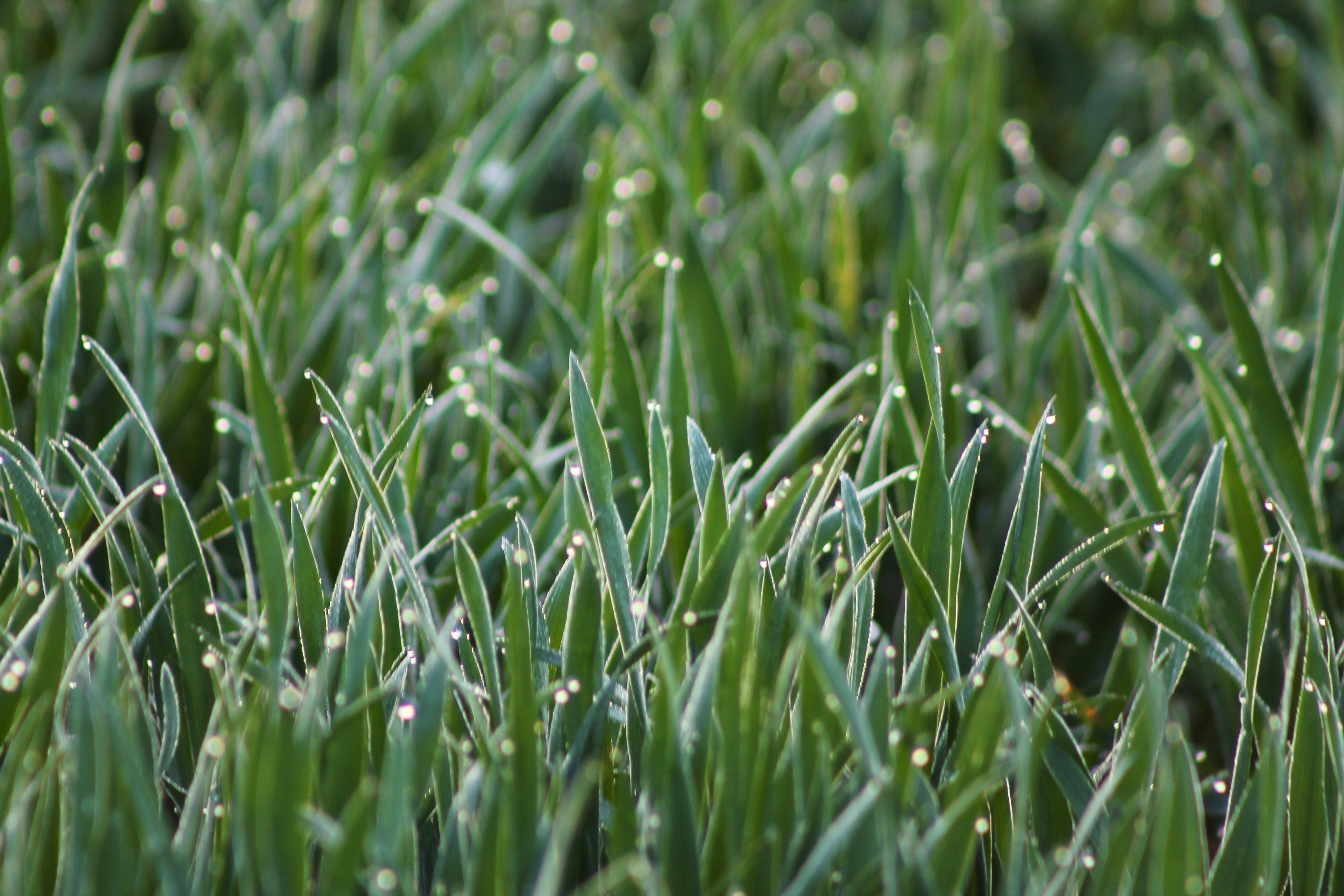
Sweetgrass
Hierochloe odorataBraided and burned at the opening of ceremony. The smoke carries prayers upward and clears the air for honest speech.
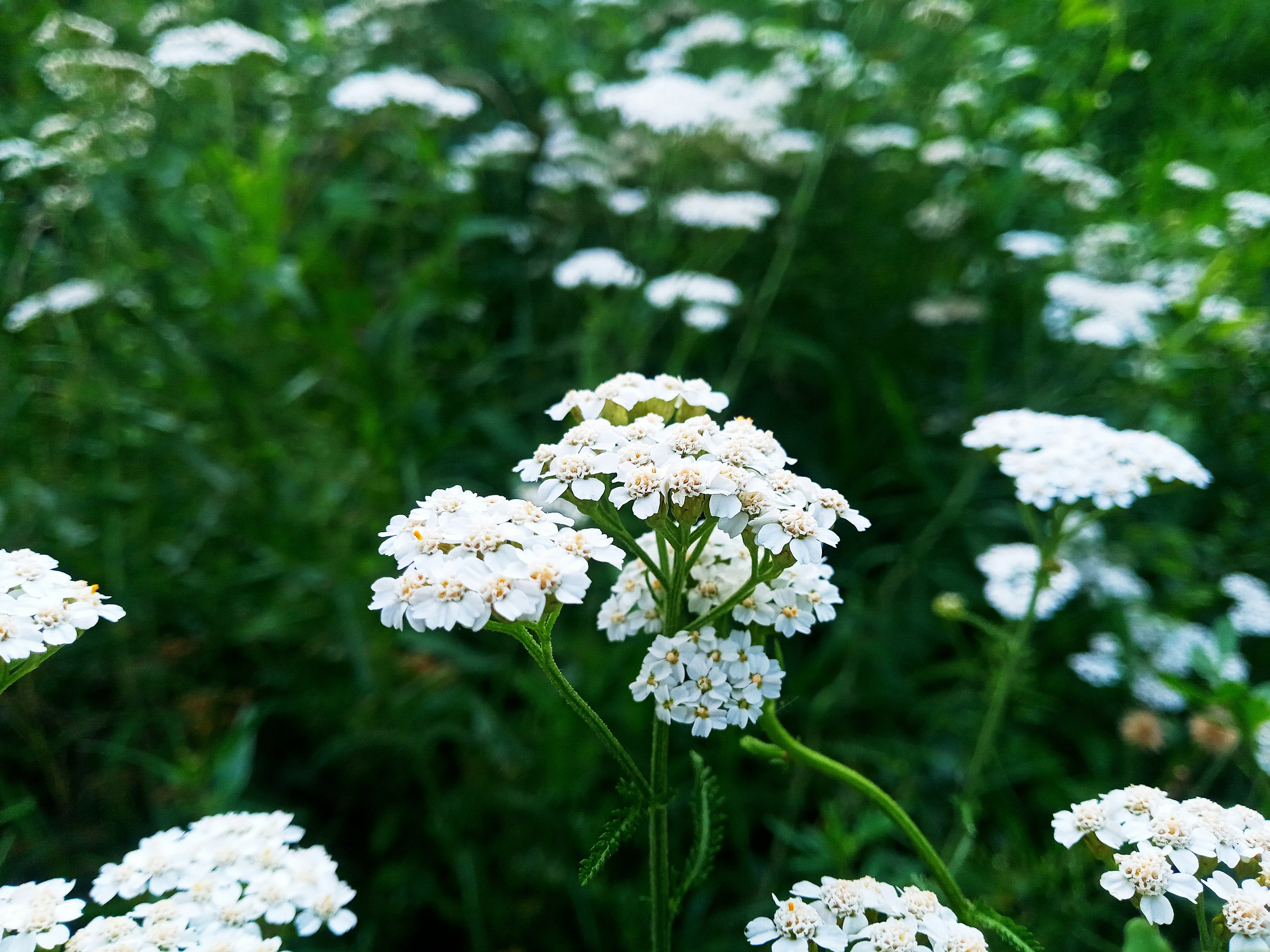
Yarrow
Achillea millefoliumPacked into wounds to slow bleeding. Elders call it "the soldier's herb." Its feathery leaves teach the lesson of fine division.
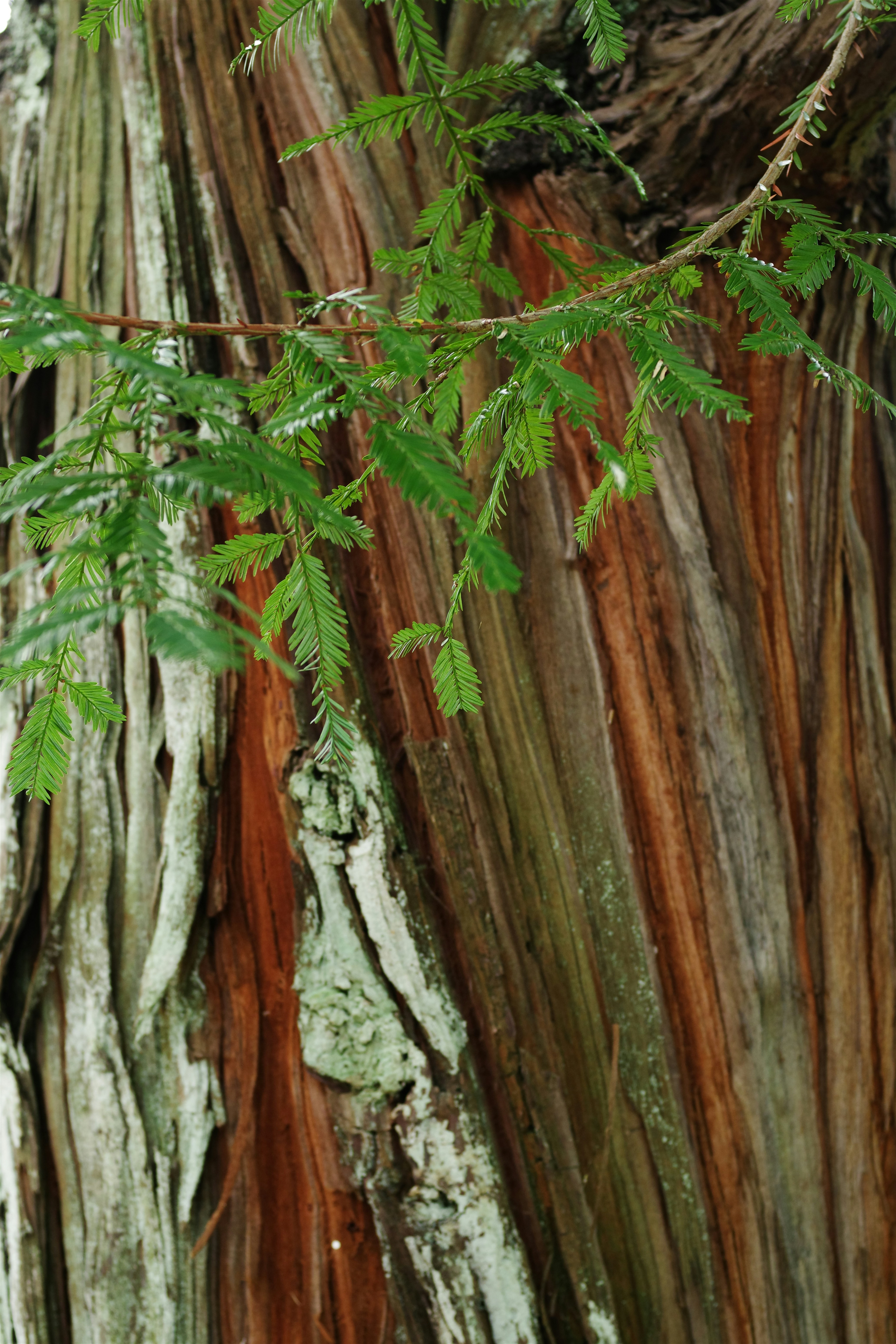
Cedar
Thuja plicataThe tree of life in Coast Salish traditions. Bark stripped in long vertical pulls, woven into baskets, hats, and the walls of longhouses.
"The land does not forget. Every treaty broken, every language silenced, every child taken — the land holds the memory in its soil, in the way the grass grows back thicker after fire, in the return of the salmon after years of absence. Our work is not to teach the land. Our work is to learn to listen again."
Elder Margaret Swifthawk
Nehiyaw Nation · Recorded at Waskesiu, 2023
The Story of the River That Moved
In the territory of the Nehiyaw, there is a river that has changed course three times in living memory. Each time the river moved, the elders said the same thing: "The river is remembering where it wants to be." The engineers who built the first dam called it flooding. The hydrologists who measured the second shift called it erosion. But the elders who watched all three changes called it patience.
This distinction — between a land-based vocabulary and a technical one — sits at the center of what Songline is built to explore. Not because one language is wrong and one is right, but because something is lost when only one language is permitted to name what is happening to a place.
The stories collected in this archive were shared by knowledge keepers who understood that their words, once written, would travel further than their voices. They asked only that the words not be separated from the land that grew them.
This story is drawn from the Songline Archive, Vol. II: Rivers as Relatives. Full text available to subscribers.
The People Who Carry These Stories
Songline publishes only those who hold the knowledge by right of relationship — not academic credential alone. Our contributors speak from their own land, in their own time.
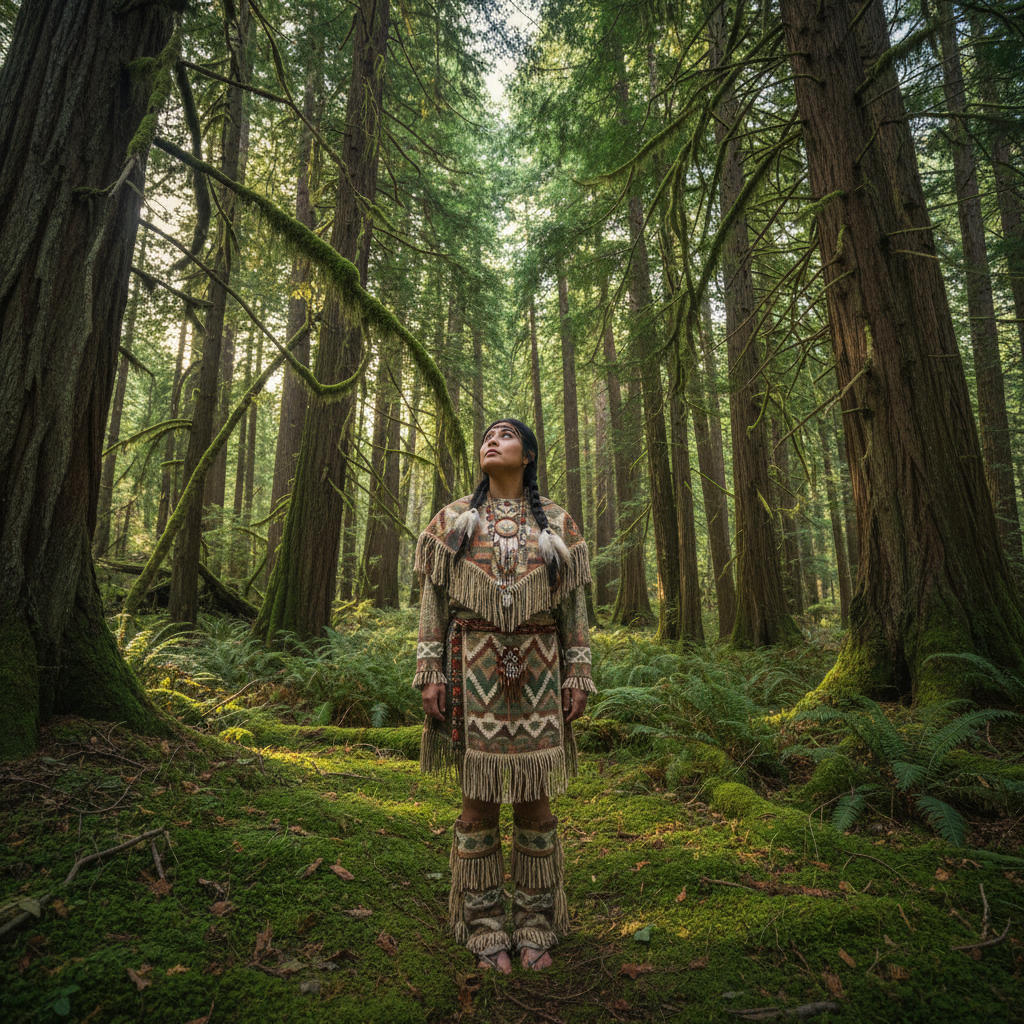
Raven Clearwater
Haida Nation
Ethnobotanist & Knowledge Keeper
Raven has spent thirty years documenting the plant relationships of Haida Gwaii, working alongside harvesters to preserve protocols that accompany the knowledge.
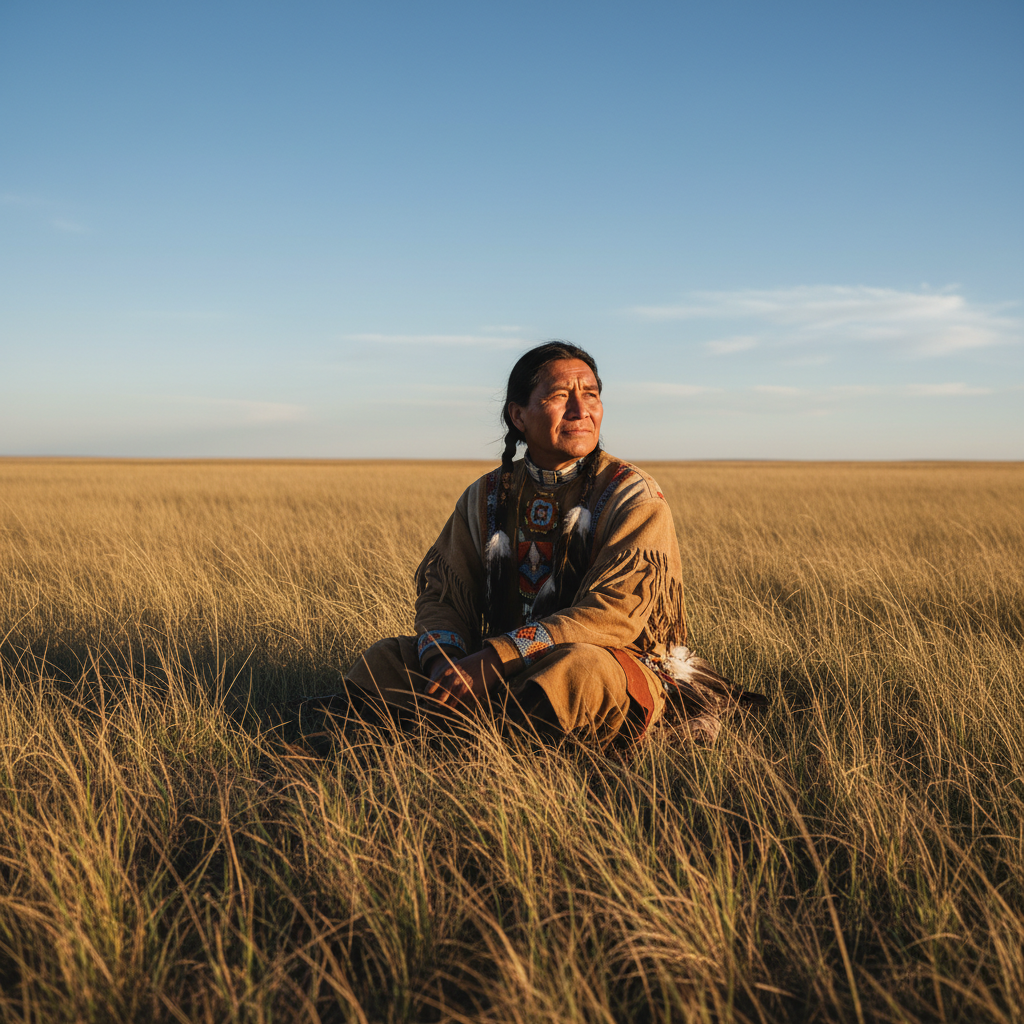
Thomas Redcloud
Lakota Sioux
Oral Historian
Thomas grew up listening to his grandfather's winter counts — the pictographic calendars that recorded a year by its most significant event. He now teaches this system to high school students.
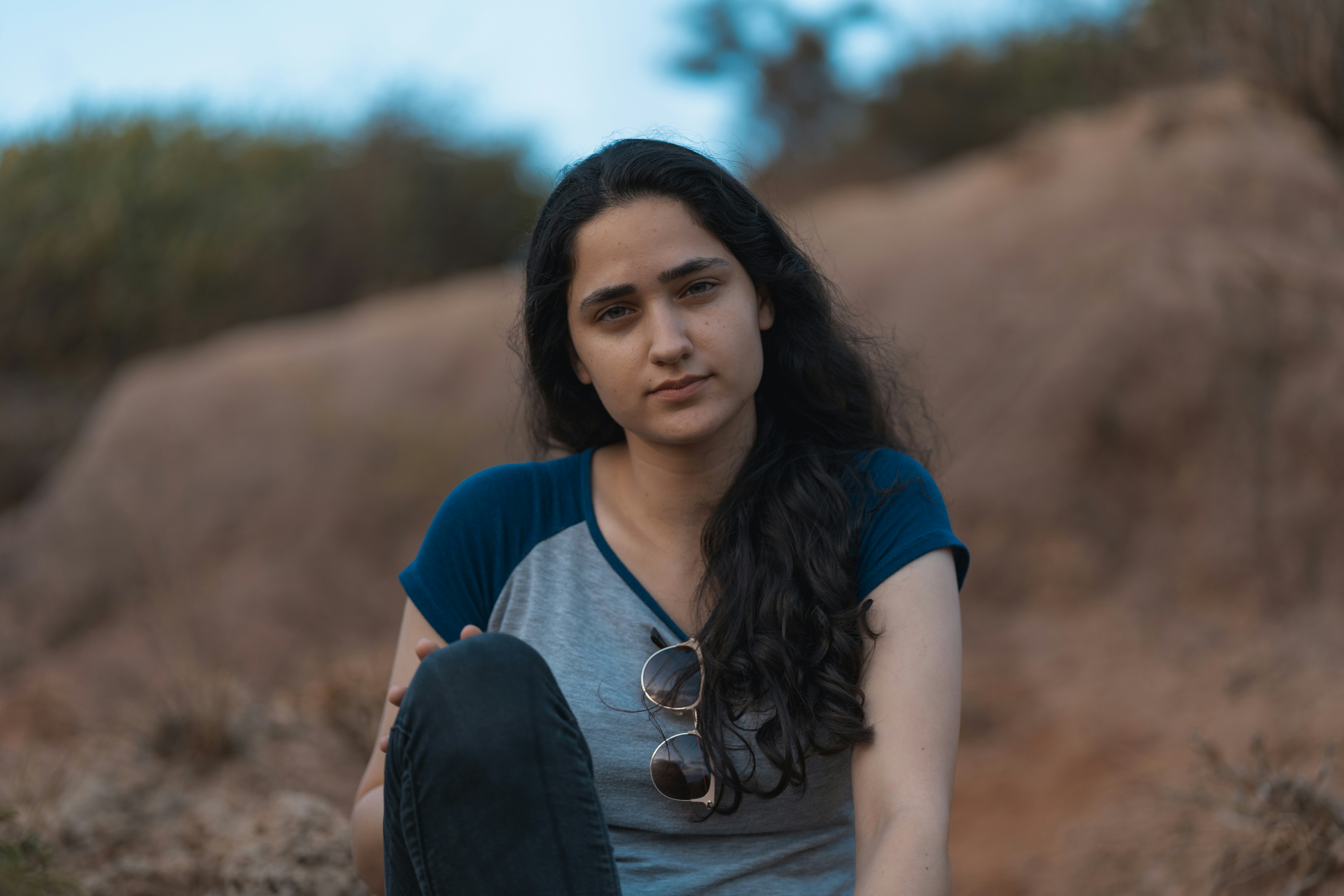
Nadia Birdsong
Anishinaabe
Language Revitalist & Poet
Nadia writes at the intersection of Ojibwe and English, refusing to translate and instead asking readers to sit with the space between languages.
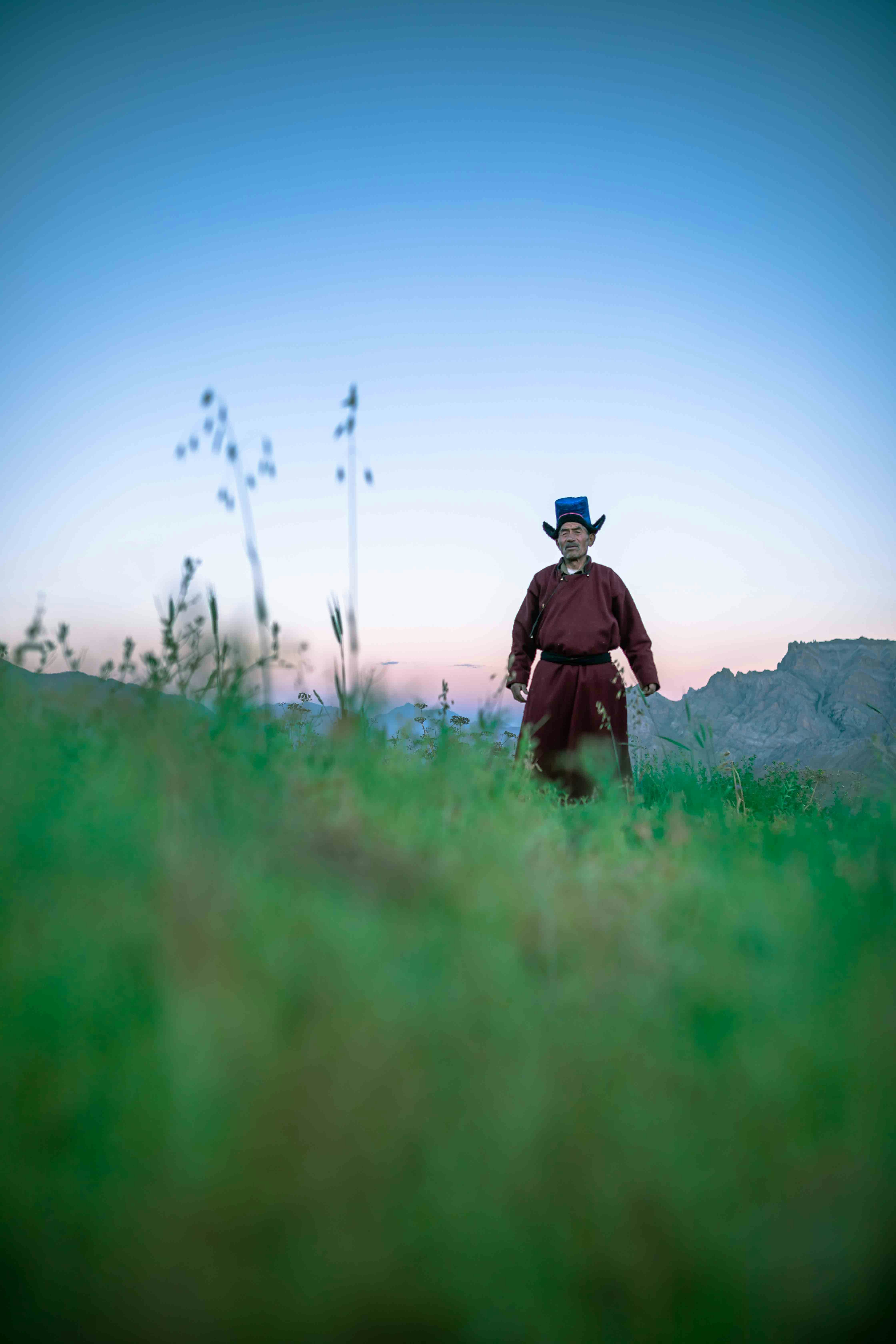
Joseph Littlefeather
Blackfoot Confederacy
Ceremonial Practitioner
Joseph writes about ceremony only as far as the protocols permit — which, he says, is still further than most people expect.
On Editorial Sovereignty
Songline does not commission stories. We are invited into them. Every piece published here was offered by a knowledge keeper who determined that the moment was right for their words to travel beyond their community. We do not edit for concision. We do not ask contributors to explain their references. We trust that readers who arrive here are willing to be changed by what they encounter.
Revenue from the Knowledge Roots quiz supports the contributors directly — 80% of subscription income flows to the knowledge keeper whose archive the reader enters.
Before You Sleep
In the evening, the light changes in a way that is harder to name than the morning. The morning is a beginning. The evening is a gathering — of what happened, of what was left unfinished, of what will carry forward into the dark.
This is the hour for the questions that don't have clean answers. Where did your people come from? What did they know about the land they lived on? What did they carry when they left? What did they leave behind, in the soil, in the water, in the particular way your grandmother held her hands when she was thinking?
The quiz that follows is not a test. It is an invitation to locate yourself in a longer story. The twelve questions move from the concrete to the reflective — from the landscape your grandparents knew to the season that makes you most homesick. At the end, we offer you a Knowledge Profile: a named archetype drawn from the archive, with a reading path curated for where you are in your journey.
"We do not ask you to perform indigeneity. We ask you to remember what your body already knows about belonging to a place."
— Nadia Birdsong, Songline Editorial Collective
Your profile will be delivered to your inbox. We ask for your email not as a gate, but as a way to send you something worth receiving. You may also share your ancestral region — this helps us connect you with contributors whose land you may be standing on.
Discover Your
Knowledge Roots
Twelve questions. A few minutes. A reading path through the archive that begins where you actually are.
You will receive your Knowledge Profile by email — a named archetype and a curated reading path from our contributors.
No account required. Your answers shape your profile, not a database.